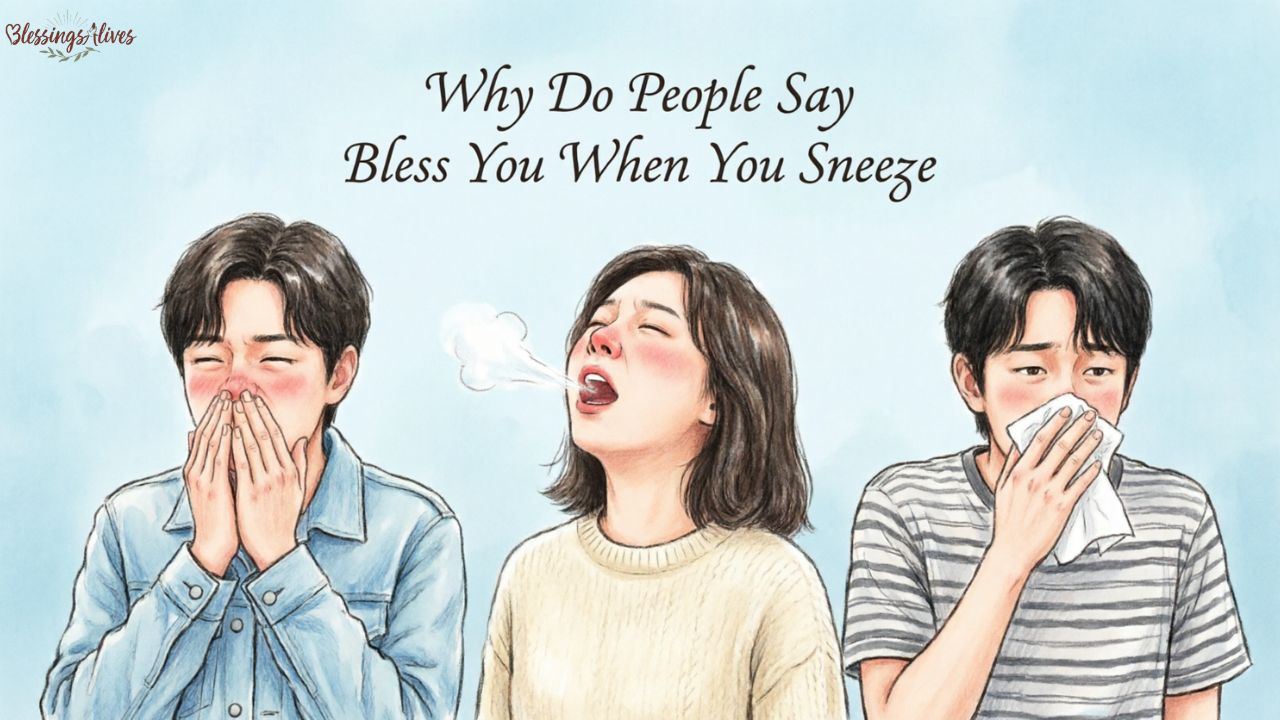
People often say “Bless you” after someone sneezes. It is a polite phrase that has been used for many centuries. Today, many people say it out of good manners without thinking about its history. The expression is linked to old traditions, religious beliefs, and social customs that have been passed down through generations.
Have you ever wondered why a simple sneeze makes people say “Bless you”? This small habit is common in many countries, but the reason behind it is more interesting than most people realize. Some believe it began because of ancient superstitions, while others connect it to religious practices and historical events such as the Black Death.
The story of saying “Bless you” has changed over time. What started as a belief or blessing has become a common sign of kindness and respect. In this article, you’ll learn the history, meaning, and origins of this well-known phrase, along with how different cultures and modern society view it today.
Why Do People Say Bless You When You Sneeze
What Does Bless You Mean?
This familiar phrase shows kindness, respect, and good manners during everyday social interactions.
The phrase “Bless you” is a polite expression spoken after someone sneezes. Its meaning is to offer goodwill, care, and kind wishes. Many people use it as part of everyday etiquette without thinking about its long history or cultural tradition.
The origin of this saying goes back to ancient beliefs and later became connected with Christian traditions. During difficult times, including the Black Death, many believed a blessing could protect health. Today, it remains a symbol of courtesy instead of fear.
Bless you expresses kindness, respect, warm wishes, and thoughtful care after every unexpected sneeze.
Bless you reflects good manners, shared tradition, friendly behavior, and sincere human connection every day.
Bless you reminds people to show compassion, politeness, and respect during simple everyday moments.
Why Is Bless You Said After Sneezing?

People still follow this tradition because history, culture, and courtesy remain important today.
Many historians believe people started saying “Bless you” because sneezing was once linked with illness, spirits, and bad luck. Ancient cultures treated a sneeze as an important event. Over time, the phrase became a common social custom.
Another popular story connects this tradition with Pope Gregory the Great during the Black Death. People offered blessings as prayers for health and protection. Today, the phrase is mostly a polite response and a sign of respect across many cultures.
Bless you offers comfort, goodwill, kindness, respect, and friendly support after every sudden sneeze today.
Bless you continues ancient traditions while encouraging thoughtful manners and positive social interactions everywhere today.
Bless you remains a meaningful expression showing care, courtesy, compassion, and respect between people always.
History and Origin of Saying Bless You
People have said “Bless you” for centuries after someone sneezes. Different cultures created different reasons for this tradition. Today, the phrase remains a polite and caring response worldwide.
- Early communities believed kind words protected people after sneezing from unseen dangers and brought lasting comfort always.
- Families passed this custom through generations, keeping respect, kindness, and thoughtful social traditions alive across communities together.
- Saying “Bless you” became a symbol of good manners, showing care, friendship, and sincere concern during everyday moments forever.
The history and origin of saying “Bless you” reflect changing beliefs, cultural traditions, and respectful behavior through time. Although original meanings have evolved, the phrase still represents kindness, courtesy, and human connection in daily conversations across many countries today.
Ancient Roman Beliefs
Ancient Roman beliefs connected sneezing with health, spirits, and divine protection. People often spoke kind words after sneezes because they valued safety, blessings, and respect during uncertain times.
- Romans believed speaking blessings after sneezing invited divine protection and encouraged peaceful living among everyone always.
- Historical writings describe customs linking sneezes with important spiritual signs and meaningful everyday traditions across ancient society.
- The tradition reflected Roman values of community, faith, and thoughtful words shared during ordinary daily experiences together.
Pope Gregory I and the Black Death
Pope Gregory I helped strengthen the custom during difficult disease outbreaks. Many people believed blessings offered hope, comfort, and encouragement while facing fear and uncertainty together.
- Pope Gregory I encouraged saying blessings after sneezing during serious illness, inspiring confidence and compassion throughout communities faithfully.
- Historical accounts connect this practice with prayers offered during widespread sickness across Europe for collective strength together.
- The tradition reminded people to support neighbors with hopeful words and caring actions during challenging periods consistently.
How the Tradition Spread
The tradition spread through travel, religion, family customs, and cultural exchanges. Over time, many countries adopted the phrase while giving it unique meanings and local traditions.
- Travelers shared the expression between regions, helping respectful customs become familiar across different cultures through generations naturally.
- Religious teachings encouraged blessings after sneezing, strengthening traditions within families, communities, and public gatherings for centuries together.
- Modern societies continue using the phrase as a simple expression of kindness, respect, and thoughtful everyday courtesy universally.
Read More : 200+ Friday Morning Blessings, Prayers, Wishes & Inspirational Messages
Religious and Spiritual Meaning
Many people connect saying “Bless you” with faith, kindness, and hope. Different religions and cultures give this simple phrase meaningful spiritual value through generations of respectful traditions everywhere.
- Faith encourages caring words after sneezing, reminding everyone to share compassion, peace, and sincere goodwill with others daily together.
- Kind blessings reflect respect for life, bringing comfort, encouragement, and thoughtful human connection during ordinary moments every single time always.
- This tradition expresses hope, gratitude, and concern while strengthening friendships, family relationships, and welcoming community spirit through shared kindness forever.
The religious and spiritual meaning of saying “Bless you” combines faith, tradition, and kindness across many cultures. Although beliefs differ, the phrase continues expressing respect, compassion, hope, and heartfelt goodwill during everyday conversations worldwide today.
People in many Christian communities say “Bless you” after sneezing as a caring tradition. The phrase reflects compassion, prayer, and thoughtful concern for another person’s well-being through simple daily words.
- Christian traditions encourage speaking blessings with love, promoting kindness, hope, and peaceful relationships among families and neighbors always.
- Many believers view caring words as reminders of faith, compassion, and shared spiritual support throughout everyday life together faithfully.
- Respectful expressions strengthen community bonds while reflecting Christian values of generosity, encouragement, and sincere concern for everyone consistently.
Different cultures and spiritual traditions explain this phrase in unique ways. Some connect it with protection, while others simply see it as a respectful expression of kindness.
- Cultural traditions preserve this expression through generations, celebrating respect, courtesy, and thoughtful human connection across diverse communities harmoniously.
- Spiritual interpretations often highlight hope, encouragement, and positive intentions shared through simple words after every sneeze respectfully together.
- Today the phrase remains a universal symbol of kindness, warmth, and genuine care between people everywhere consistently.
Superstitions About Sneezing
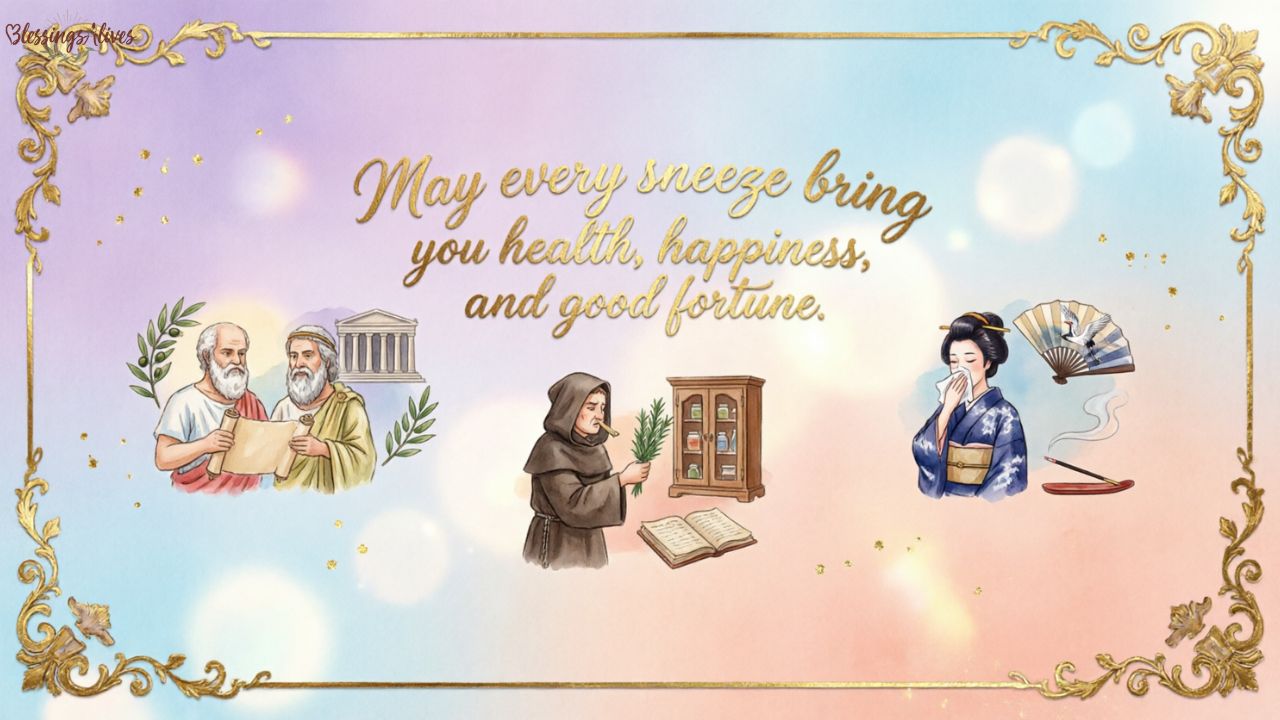
Many cultures created sneezing superstitions long before modern medicine existed. These beliefs explained unexpected sneezes through folklore, spiritual traditions, cultural customs, and stories shared across generations.
- History shows many ancient cultures believed sneezing carried spiritual importance, shaping traditions, customs, and respectful responses together today.
- Origin stories connect sneezing beliefs with folklore, religious practices, and cultural values passed through generations faithfully forever.
- Meaning behind sneezing superstitions reflects hope, protection, kindness, and respect during ordinary moments shared by communities worldwide daily.
Sneezing superstitions continue to interest people today because they connect history, beliefs, and traditions. Although science explains sneezing, many families still enjoy these customs as meaningful parts of their cultural heritage together.
Evil Spirits and the Soul
Ancient people believed sneezing briefly exposed the soul to danger. Spiritual beliefs inspired protective words, blessings, and customs that offered comfort and reassurance during uncertain times.
- History records communities speaking blessings after sneezing, believing protective words guarded the soul from unseen spirits always.
- Origin traditions linked sneezing with invisible forces, encouraging compassionate responses through blessings and shared cultural practices together.
- Meaning reflects hope, safety, spiritual protection, and thoughtful kindness whenever someone unexpectedly sneezes among family and friends always.
Good Luck and Bad Luck Beliefs
Many traditions connected sneezing with luck, interpreting each unexpected sneeze as a meaningful sign through cultural beliefs, folklore, and long-standing community customs everywhere.
- History includes stories describing sneezes as signs of fortune, warning, or important life changes within communities everywhere.
- Origin beliefs grew through oral traditions, inspiring families to respect sneezing with encouraging words and thoughtful blessings daily.
- Meaning represents optimism, reassurance, goodwill, and positive intentions shared after unexpected sneezes between caring people everywhere always.
Popular Sneezing Myths
Many sneezing myths developed before scientific knowledge became widely available. These stories entertained communities while explaining everyday experiences through imagination, tradition, and shared cultural understanding.
- History preserved popular sneezing myths through storytelling, keeping memorable customs alive across different cultures and generations successfully together.
- Origin tales mixed folklore, religious ideas, and local traditions, creating lasting beliefs surrounding ordinary sneezing experiences for everyone.
- Meaning encourages curiosity about cultural history while appreciating modern knowledge, respectful traditions, and thoughtful social etiquette practiced today consistently.
Bless You Around the World
People across the world respond to sneezes with kind words and thoughtful expressions. Every culture has unique traditions, greetings, and customs that show respect, care, and good manners.
- History reveals communities created polite sneeze responses reflecting shared traditions, cultural identity, and mutual respect across generations worldwide.
- Origin varies between countries, blending religious beliefs, local customs, and social etiquette into familiar everyday expressions naturally together.
- Meaning represents kindness, friendship, compassion, and thoughtful communication after someone unexpectedly sneezes during daily conversations everywhere.
People continue saying kind words after sneezes because these traditions strengthen social connections. Although expressions differ by culture, the purpose remains showing courtesy, warmth, and respect toward others every day.
How Different Countries Respond to Sneezes
Different countries use unique expressions after sneezing, reflecting local languages, customs, beliefs, and traditions. These polite responses create friendly interactions and meaningful cultural connections around the world.
- History shows nations developed distinctive sneeze greetings shaped by language, customs, and longstanding cultural traditions together always.
- Origin reflects regional beliefs, social values, and respectful communication passed through families across many generations faithfully forever.
- Meaning highlights kindness, politeness, cultural appreciation, and friendly respect shared after every unexpected sneeze between people daily.
Bless You in Different Languages
Many languages include special phrases spoken after sneezing. These expressions reflect cultural values, traditions, and respectful communication while strengthening friendly connections between people across different countries.
- History preserves traditional sneeze expressions through languages, connecting generations with respectful customs and meaningful cultural heritage together.
- Origin differs among languages, reflecting regional history, beliefs, and everyday social etiquette practiced within diverse communities consistently everywhere.
- Meaning encourages goodwill, thoughtful manners, shared respect, and positive human connection through simple spoken expressions after sneezing naturally.
American vs European Traditions
American and European traditions both value polite sneeze responses, yet customs developed through different historical events, cultural influences, and social practices over many centuries.
- History explains American and European customs evolved from shared traditions, adapting respectfully within changing societies through centuries together.
- Origin connects European religious practices with American social etiquette, creating familiar expressions used during everyday conversations frequently worldwide.
- Meaning demonstrates courtesy, respect, cultural appreciation, and friendly behavior shared after sneezing across both regions consistently today.
Modern Etiquette and Social Customs
Modern etiquette around saying “Bless you” reflects changing social habits, cultural awareness, and everyday manners. People still use it to show respect, kindness, and polite communication in daily interactions.
- History shows modern etiquette developed from older traditions, evolving into simple polite responses used in everyday social situations.
- Origin comes from cultural customs, religious influence, and long-standing manners passed through generations in many societies worldwide.
- Meaning represents respect, kindness, courtesy, and thoughtful behavior when someone sneezes during normal human interaction daily.
Modern social customs keep this phrase alive because it reflects friendliness and respect. Even in today’s fast-paced world, people still value small gestures that show care, awareness, and polite communication.
Is It Polite to Say Bless You?
Saying “Bless you” is widely considered polite in many cultures. It shows awareness, kindness, and respect toward others during a small but noticeable everyday moment like sneezing.
- History reflects polite sneeze responses developed as social manners across communities valuing respect and courteous communication daily.
- Origin stems from traditional etiquette rules encouraging respectful speech and thoughtful behavior during ordinary health-related moments always.
- Meaning expresses kindness, social awareness, friendly respect, and considerate behavior shown after someone sneezes unexpectedly in public.
Politeness in saying “Bless you” strengthens social bonds and encourages respectful interaction. Many people see it as a simple gesture that reflects good manners, cultural awareness, and everyday kindness among individuals.
Is It Rude Not to Say Bless You?
Not saying “Bless you” is not considered rude in all cultures. Social expectations vary depending on environment, upbringing, and cultural traditions influencing everyday communication between people.
- History shows etiquette differences developed across regions where sneezing responses were optional social customs rather than strict rules.
- Origin varies by culture, reflecting personal manners, family teachings, and differing social expectations about polite communication behavior.
- Meaning suggests respect can still exist without verbal response, depending on cultural norms and personal social awareness levels.
Whether it is rude or not depends on cultural context. In many places, silence is acceptable, while others expect a polite response. Understanding differences helps avoid misunderstandings and encourages respectful communication.
Workplace and Public Etiquette
Workplace and public etiquette for saying “Bless you” depends on professionalism, cultural norms, and situational awareness. People often choose polite, simple responses to maintain respectful and comfortable environments.
- History shows workplace etiquette evolved from formal manners emphasizing respect, professionalism, and appropriate communication in shared spaces.
- Origin comes from social behavior standards that encourage polite interaction and maintain harmony in professional and public settings.
- Meaning reflects courteous communication, respect for others, and awareness of appropriate behavior in shared environments daily.
Good etiquette in public spaces helps create respectful interactions. People often keep responses brief and polite, ensuring comfort for everyone. These small social habits support positive communication and peaceful shared environments.
Alternatives to Saying Bless You
People around the world use different phrases instead of “Bless you” after sneezing. These alternatives reflect culture, personality, humor, and changing social etiquette in modern communication styles.
- History shows alternatives developed as societies changed language habits, replacing traditional blessings with simpler everyday polite responses.
- Origin comes from cultural diversity, language evolution, and personal preference shaping new expressions used after sneezing moments.
- Meaning reflects friendliness, respect, and casual acknowledgment without religious or traditional blessing in modern conversations today.
Modern communication allows flexible responses after sneezing. People choose words based on comfort, culture, and personality. These alternatives make interactions more natural while still showing politeness and social awareness.
Common Phrases People Use
Many people use simple phrases like “excuse you” or “gesundheit” instead of “Bless you.” These expressions are common in different cultures and everyday conversations.
- History shows common phrases evolved from European languages and spread through migration and cultural exchange globally.
- Origin includes German, English, and regional expressions adapted into everyday speech across many societies over time.
- Meaning represents polite acknowledgment, friendly response, and simple social interaction after someone sneezes unexpectedly in public.
Common phrases keep communication light and natural. They are easy to say and widely understood. People use them to maintain politeness while adapting to modern language habits and cultural diversity.
Non-Religious Alternatives
Non-religious alternatives focus on neutral expressions that avoid spiritual meaning. These phrases are used in schools, workplaces, and multicultural environments where inclusivity and respect are important.
- History shows secular expressions became popular in diverse societies promoting neutral communication without religious references.
- Origin developed from multicultural awareness, encouraging language that suits people of different beliefs and backgrounds.
- Meaning reflects inclusivity, respect, neutrality, and polite social behavior without religious association after sneezing.
Non-religious alternatives are widely accepted in modern society. They help people communicate respectfully in diverse environments while avoiding assumptions about beliefs, making interactions more inclusive and comfortable for everyone.
Funny Responses to a Sneeze
Funny responses to sneezing add humor to everyday interactions. People sometimes use jokes or playful phrases to create lighthearted moments after someone sneezes unexpectedly.
- History shows humorous responses developed from informal speech and social bonding in friendly community environments.
- Origin comes from casual conversations where humor is used to reduce tension and create social comfort.
- Meaning reflects laughter, friendliness, relaxed interaction, and playful communication during ordinary sneezing situations among people.
Funny responses make social interactions enjoyable and relaxed. They help build connections and reduce awkwardness. People use humor to create friendly moments while still showing attention and social awareness.
Science Behind Sneezing
Sneezing is a natural reflex that helps the body clear irritants from the nose. It happens when dust, allergens, or germs trigger nerves inside the nasal passages, sending a signal to the brain. The body then forcefully expels air to protect the respiratory system and keep it clean.
Why People Sneeze
People sneeze because the nose reacts to irritation caused by dust, pollen, smoke, or viruses. This reflex helps remove unwanted particles and keeps the airways clear and healthy.
Common Sneezing Facts
Sneezing is fast and powerful, often reaching high speeds to clear the nose. It can be triggered by light, allergies, or infections, and it is a normal body defense mechanism.
Myths vs Facts
Many myths say sneezing stops the heart or has supernatural meaning, but science shows it is simply a protective reflex. It does not harm the body and helps maintain respiratory health.
Read More: 250+ Beautiful Happy Friday Blessings and Prayers with Images
Frequently Asked Questions
Why do people say bless you after a sneeze?
People say this phrase because it became a traditional polite response linked with history, superstition, and social etiquette after sneezing.
What does bless you mean when someone sneezes?
This expression shows kindness and good manners, wishing health protection and social respect during everyday sneezing situations across cultures.
Is saying bless you a religious practice?
Some believe it has religious roots, but today it is mostly cultural etiquette rather than a strict religious practice.
Why did the bless you tradition start?
The tradition started from ancient beliefs about illness and protection, later becoming a common polite response in social communication.
What should you reply when someone says bless you?
People usually respond with a simple thank you, showing mutual respect and maintaining polite conversation after sneezing naturally.
Is it rude not to say bless you?
Not always, because cultural differences exist, and modern etiquette allows people to respond or stay silent respectfully.
Do all countries say bless you after sneezing?
Different cultures use different phrases, but many countries still follow similar customs showing politeness after sneezing events.
Why is bless you said so quickly after sneezing?
It is an automatic social habit formed over time, reflecting courtesy, awareness, and traditional communication patterns in daily life.
Conclusion
People say “Bless you” after a sneeze because of long-standing traditions, cultural habits, and social etiquette. The phrase started from old beliefs about health, protection, and respect. Over time, it became a simple way to show kindness in everyday life. Today, most people use it automatically without thinking about its deep history or meaning.
Overall, this small expression still plays an important role in communication. Why do people say Bless You When You Sneeze It shows politeness, care, and awareness of others in social settings. Even though science explains sneezing as a natural reflex, the phrase remains part of modern culture. It connects people through shared manners and friendly behavior across different countries and languages in daily interactions.

Hi, I’m Asma, the founder of Blessingsalives
It is a creative digital platform focused on sharing uplifting content, simple ideas, and meaningful inspiration for everyday life.