
If you’ve ever heard the words “May the Lord bless you and keep you,” you may have wondered what they truly mean. This beautiful biblical blessing comes from Numbers 6:24-26 and carries a message of care, protection, grace, and peace. It has comforted believers for generations and remains meaningful in prayer, worship, and daily life.
This guide explains the blessing in simple language, explores its deeper meaning, and shows why people still use these words today. Whether you’re studying Scripture or looking for spiritual encouragement, you’ll find a clear explanation of this timeless message.
Numbers 6:24-26: The Biblical Blessing

Numbers 6:24-26 is a well-known biblical blessing from the Book of Numbers in the Old Testament. It is commonly called the Aaronic Blessing or Priestly Blessing. The passage asks the Lord to bless, protect, show grace, and give peace to His people.
“The Lord Bless You and Keep You”
The opening words, “The Lord bless you and keep you,” express a desire for God’s blessing and protection. The word “bless” can point to His goodness and favor, while “keep” suggests His care and divine protection over those who trust Him.
“Make His Face Shine Upon You”
The next phrase, “make His face shine upon you,” is a picture of God’s presence and favor. It suggests that God turns toward His people with kindness and grace. The words carry a sense of divine attention and remind believers that God’s presence brings comfort.
“And Be Gracious to You”
The phrase “and be gracious to you” highlights God’s grace and mercy. It shows that the blessing isn’t only about receiving good things. It also points to God’s loving character and His willingness to extend kindness toward His people.
“The Lord Lift Up His Countenance Upon You”
“The Lord lift up His countenance upon you” continues the theme of God’s presence. In biblical language, countenance can refer to a person’s face or presence. Here, it expresses the hope that God will look upon His people with care, favor, and goodwill.
“And Give You Peace”
The final words, “and give you peace,” bring the blessing to a meaningful close. Biblical peace is often connected with the idea of shalom. It can describe wholeness, well-being, harmony, and spiritual rest rather than simply the absence of conflict.
The Role of Moses, Aaron, and the Priests
In Numbers 6, God gave Moses instructions for Aaron and his sons, who served as priests. They were told to speak this blessing over the Israelites. This connection explains why the passage is known as the Aaronic Blessing and Priestly Blessing.
The Aaronic Blessing and Priestly Blessing
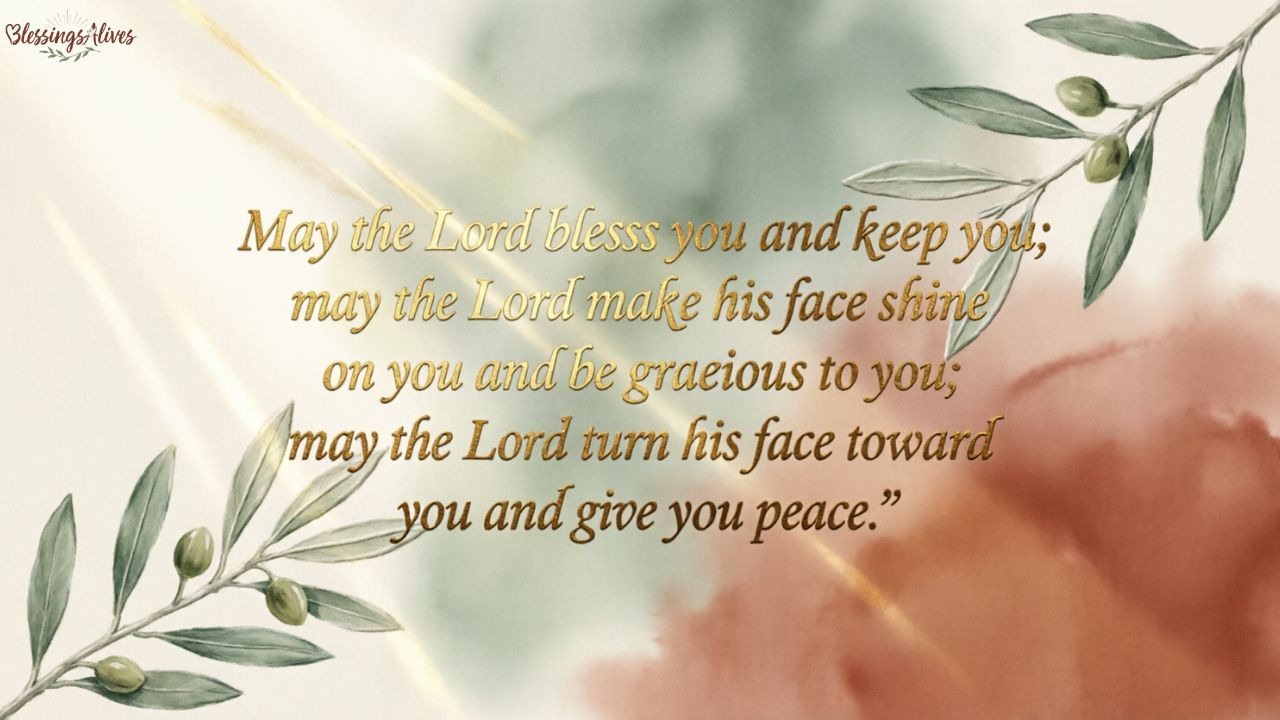
The Aaronic Blessing, also called the Priestly Blessing, is a biblical blessing found in Numbers 6:24-26. It was given through Aaron and his sons, who served as priests. The blessing asks for God’s favor, protection, grace, presence, and peace for the Israelites.
The Role of Aaron and the Priests
Aaron was the first high priest of Israel and the brother of Moses. God instructed Aaron and his sons to speak this blessing over the Israelites. The priests therefore had a special role in sharing God’s blessing with His people.
Why Is It Called the Priestly Blessing?
The name Priestly Blessing comes from the role of the priests who pronounced these words. The Aaronic Blessing takes its name from Aaron, who stood at the center of Israel’s priestly tradition. Both names describe the same important biblical passage.
The Blessing in Jewish and Christian Tradition
The Aaronic Blessing has a long history in Jewish tradition and remains meaningful in Christian tradition. It appears in worship, prayer, and Scripture readings. Many churches also use it as a benediction, reminding people of God’s care and peace.
The Meaning of the Blessing for Believers
The Priestly Blessing expresses a heartfelt desire for God’s goodness and protection. It speaks of His grace, mercy, favor, and peace. For many believers, these words offer spiritual encouragement and a reminder to trust God through both ordinary and difficult moments.
How the Blessing Is Used Today
Today, the Aaronic Blessing may be shared during a church service, worship service, or personal prayer. Pastors often use it as a closing benediction. Families may also pray these words over children and loved ones as an expression of faith and care.
Read More : 165+ Thankful Good Morning Friday Blessings, Prayers, Quotes & Wishes
“The Lord Bless You and Keep You” Meaning Line by Line
The blessing in Numbers 6:24-26 carries a simple but powerful message. Each line highlights a different aspect of God’s care. Together, the words speak about God’s blessing, protection, grace, presence, favor, mercy, and peace.
“The Lord Bless You”
“The Lord bless you” expresses a heartfelt desire for God’s goodness and favor. A biblical blessing isn’t limited to material wealth or success. It can also point to God’s grace, mercy, care, and spiritual encouragement in a person’s life.
“And Keep You”
The words “and keep you” focus on God’s protection and care. They express a desire for the Lord to watch over His people. For believers, this phrase can bring comfort and remind them to place their faith and trust in God’s presence.
“Make His Face Shine Upon You”
“Make His face shine upon you” is a beautiful picture of God’s presence and favor. It suggests that God turns toward His people with kindness and approval. The phrase is often understood as a reminder of His gracious attention and divine favor.
“And Be Gracious to You”
The words “be gracious to you” highlight God’s grace and mercy. They remind believers that God’s goodness comes from His loving character. This part of the blessing offers spiritual encouragement, especially when someone needs hope, comfort, or reassurance.
“The Lord Lift Up His Countenance Upon You”
“The Lord lift up His countenance upon you” expresses the idea of God’s caring presence. His countenance refers to His face or personal attention. The phrase suggests that God looks favorably upon His people and remains close to them through life.
“And Give You Peace”
The final line asks the Lord to give you peace. In a biblical sense, peace can mean more than the absence of conflict. It points toward wholeness, security, well-being, and a settled relationship with God.
How the Lines Work Together
When read together, these phrases create a complete picture of God’s blessing. The passage moves from blessing and protection to grace, favor, presence, and peace. That’s why the Aaronic Blessing remains a meaningful Scripture blessing for worship, prayer, and Christian encouragement.
What Does “The Lord Bless You” Mean?
This phrase expresses a heartfelt wish for God’s goodness, favor, grace, and care. It reminds believers that true blessing goes beyond material success.
God’s Blessing, Favor, and Grace
“The Lord bless you” is a simple expression of faith in God’s goodness. In Numbers 6:24-26, it begins the Aaronic Blessing and expresses a desire for God’s blessing to rest upon His people. It points to His care, favor, and grace.
What Does God’s Blessing Mean?
God’s blessing can include His care, guidance, protection, and goodness. It doesn’t only refer to wealth or material success. A biblical blessing can also involve spiritual strength, meaningful relationships, wisdom, and the comfort of knowing God’s presence.
God’s Favor and Grace
The idea of God’s favor is closely connected with the blessing. It reflects the hope that God will look upon someone with kindness and goodwill. God’s grace also reminds believers that His goodness is a gift, not something they can earn through their own efforts.
Blessing as a Prayer for Goodness
When someone says, “The Lord bless you,” they may be offering a blessing prayer for another person. The words express a sincere wish for God’s goodness and care. They can be shared with family, friends, or anyone who needs encouragement and hope.
A Deeper Spiritual Meaning
From a biblical perspective, God’s blessing is about more than receiving good things. It points toward a life shaped by faith and trust in God. The blessing invites believers to recognize His presence and depend on His grace and mercy each day.
How Christians Use This Blessing Today
Many Christians use “The Lord bless you” in everyday conversations, prayers, worship, and Christian encouragement. It can serve as a blessing message for someone beginning a new chapter or facing a difficult season. Its meaning remains personal, warm, and deeply rooted in Scripture.
What Does “And Keep You” Mean?
This phrase points to God’s protection, care, and watchful presence over His people. It offers comfort and encourages believers to trust Him through life’s uncertain moments.
God’s Protection and Care
The words “and keep you” express a heartfelt desire for God’s protection and care. In Numbers 6:24-26, this phrase follows “The Lord bless you” and shows that God’s blessing includes His watchful presence over His people.
A Picture of God’s Protection
To be kept by God means to remain under His care. The phrase can point to divine protection, guidance, and preservation through life’s changing seasons. It offers comfort to believers who place their faith and trust in God.
God’s Care in Daily Life
God’s care isn’t limited to moments of trouble. Many believers see it in everyday life, including family, friendships, opportunities, and moments of peace. The blessing reminds people to notice God’s presence and remain thankful for His goodness.
Protection Beyond Physical Safety
The idea of protection can also have a spiritual meaning. God’s protection may refer to strength during difficult times, wisdom when making choices, and hope when circumstances feel uncertain. It encourages believers to seek God’s presence rather than rely only on their own strength.
A Blessing for Family and Loved Ones
When you say “May the Lord bless you and keep you,” you’re expressing a sincere wish for someone else’s well-being. Many people use these words in a prayer for family, friends, children, or loved ones who need comfort and encouragement.
Trusting God Through Uncertainty
The phrase “and keep you” can also remind believers that life doesn’t always go according to plan. Even during uncertain moments, faith can provide reassurance. The words point toward a God who cares, watches over His people, and offers spiritual encouragement.
What Does “Make His Face Shine Upon You” Mean?

This phrase reflects God’s loving presence, favor, and kindness toward His people. It offers hope that He looks upon them with grace and care.
God’s Presence and Favor in the Bible
The phrase “make His face shine upon you” comes from the Aaronic Blessing in Numbers 6:24-26. It is a beautiful picture of God’s presence and favor. The words express a desire for God to look upon His people with kindness, grace, and loving attention.
A Picture of God’s Favor
In biblical language, a person’s face can represent their attention and presence. When God’s face shines upon someone, it suggests His favor and goodwill. It gives the image of God turning toward His people rather than turning away from them.
The Meaning of God’s Face
The phrase God’s face doesn’t suggest a physical image in this context. Instead, it points to God’s personal presence and relationship with His people. The blessing expresses a hope that believers will experience His care, guidance, and closeness in their lives.
Grace and Mercy in the Blessing
The next part of the blessing says, “and be gracious to you.” This connects God’s favor with grace and mercy. The words remind believers that God’s kindness is freely given and reflects His loving character.
Why This Phrase Brings Comfort
For many believers, the phrase offers spiritual encouragement during uncertain seasons. It suggests that God’s presence is near and His favor remains meaningful. In my view, this is one reason the blessing continues to resonate in prayer and worship.
A Message of God’s Loving Attention
“Make His face shine upon you” can be understood as a prayer for God’s loving attention and divine favor. It carries a warm message of hope. The phrase reminds believers that God’s presence isn’t distant or indifferent but connected with care, grace, and peace.
What Does “Give You Peace” Mean?
This phrase expresses a desire for God’s peace, wholeness, and spiritual rest in your life. It reminds believers to trust His presence during uncertain times.
The Biblical Meaning of Peace and Shalom
The words “give you peace” form the final part of the Aaronic Blessing in Numbers 6:24-26. They express a desire for God’s peace to be present in a person’s life. In the Bible, peace often carries a deeper meaning than simply having no conflict.
What Does Biblical Peace Mean?
Biblical peace can include wholeness, safety, well-being, and a sense of spiritual rest. It reflects a life that is held together by faith and trust in God. This peace can remain meaningful even when circumstances around you aren’t easy.
Understanding Shalom
The Hebrew idea of shalom is often connected with the biblical meaning of peace. It can describe completeness, harmony, and well-being. In the context of the blessing, shalom points toward a fuller sense of life under God’s care rather than a temporary feeling of calm.
Peace as God’s Gift
The phrase “give you peace” presents peace as something that comes from God. It connects with His grace, mercy, and presence. For believers, this can offer comfort during stressful moments and encourage them to place their worries in God’s hands.
Peace, Faith, and Trust
Faith and trust play an important role in experiencing spiritual peace. Life can bring uncertainty, disappointment, and difficult decisions. The blessing reminds believers that God’s presence can provide hope and comfort when they don’t have all the answers.
A Blessing for Everyday Life
The words “give you peace” can be used as a blessing prayer for family, friends, and loved ones. They also fit naturally into Christian worship and personal devotion. For many people, these simple words offer a gentle reminder of God’s care and the hope of lasting peace.
How to Use the Lord’s Blessing in Prayer and Worship?
The Lord’s Blessing can be used in personal prayer, family devotion, church services, and worship. It offers words of faith, protection, grace, and peace.
Blessing, Prayer, and Benediction in Christian Life
The Lord’s Blessing from Numbers 6:24-26 has a natural place in prayer and worship. Its words speak about God’s blessing, protection, grace, and peace. Christians may use this blessing to encourage others and recognize God’s presence in everyday life.
Using the Blessing in Personal Prayer
You can include the Lord’s Blessing in personal prayer as a simple expression of faith and trust. Some people pray these words in the morning, while others use them during evening devotion. The blessing can also become a prayer for God’s care during uncertain times.
Sharing the Blessing With Family and Friends
The words can be shared with family, friends, and loved ones as a meaningful blessing. Parents may pray the passage over their children, while friends may use it to offer encouragement. It can also be part of a prayer for protection during difficult seasons.
The Blessing in a Church Service
Many churches use the Lord’s Blessing during a church service. A pastor or church leader may speak the words over the congregation near the end of worship. This practice connects the modern Christian community with the biblical tradition of blessing God’s people.
The Blessing as a Benediction
A benediction is often given at the close of a worship service. The Aaronic Blessing works naturally in this setting because it sends people forward with words of grace, peace, and God’s care. It offers a thoughtful ending to shared Christian worship.
Using the Blessing for Christian Encouragement
The Lord’s Blessing can also provide Christian encouragement when someone faces a new beginning or a challenging season. Sharing these words reminds a person of God’s favor, presence, and protection. It can be a gentle way to offer hope without saying too much.
Making the Blessing Part of Daily Faith
You don’t need to wait for a formal worship service to use this blessing. It can become part of daily prayer, family devotion, or quiet reflection. In my experience, simple Scripture-based words often feel most meaningful when they connect naturally with real moments in life.
Read More : 500+ Have a Blessed Day Wishes, Quotes, Messages, Bible Verses, Prayers & Images
Frequently Asked Questions
What does May the Lord Bless You and Keep You mean?
May the Lord Bless You and Keep You expresses a prayer for God’s blessing, protection, grace, favor, presence, and peace.
Where is May the Lord Bless You and Keep You found in the Bible?
May the Lord Bless You and Keep You comes from Numbers 6:24-26, known as the Aaronic Blessing or Priestly Blessing.
Who said May the Lord Bless You and Keep You?
Aaron and his sons, serving as priests, were instructed to speak these words over the Israelites as part of God’s blessing.
May the Lord Bless You and Keep You a Prayer?
It can serve as a prayer, blessing, or benediction, expressing a sincere desire for God’s care, protection, grace, and peace.
What does it mean when someone says May the Lord Bless You and Keep You?
The phrase offers spiritual encouragement and asks God to watch over someone, provide care, show favor, and bring lasting peace.
Can I say May the Lord Bless You and Keep You to someone?
Yes, you can share this biblical blessing with family, friends, children, or loved ones during meaningful moments or difficult seasons.
What does May the Lord Bless You and Keep You mean spiritually?
Spiritually, the blessing points toward God’s presence, grace, protection, favor, and peace while encouraging believers to trust Him.
When can I use May the Lord Bless You and Keep You?
You can use this blessing during prayer, worship, family gatherings, church services, personal devotion, celebrations, or moments needing encouragement.
What Does “The Lord Bless You and Keep You” Mean?
The phrase expresses a desire for God’s goodness, care, and protection. “Bless you” points to God’s favor and grace, while “keep you” reflects His care and divine protection. Together, the words offer comfort and Christian encouragement rooted in Scripture.
Where Is the Lord’s Blessing Found in the Bible?
The blessing is found in Numbers 6:24-26 in the Book of Numbers. It belongs to the Old Testament and was given through Moses to Aaron and his sons. The priests were instructed to speak these words over the Israelites.
Conclusion
The words “May the Lord Bless You and Keep You” carry a message of faith, care, and hope. Found in Numbers 6:24-26, this well-known blessing is also called the Aaronic Blessing or Priestly Blessing. It speaks of God’s protection, grace, favor, presence, and peace. Each phrase offers comfort and reminds believers that God’s care reaches into every part of life. The blessing has remained meaningful across generations and continues to be used in prayer and worship.
Whether you share it with family, friends, or someone facing a difficult season, these words offer gentle encouragement. They remind us to trust God’s care and seek His peace. The blessing remains a simple yet powerful expression of faith, kindness, and hope.

Hi, I’m Asma, the founder of Blessingsalives
It is a creative digital platform focused on sharing uplifting content, simple ideas, and meaningful inspiration for everyday life.